


Trade Hub Logo Trade Hub Contact Us
Contact Us
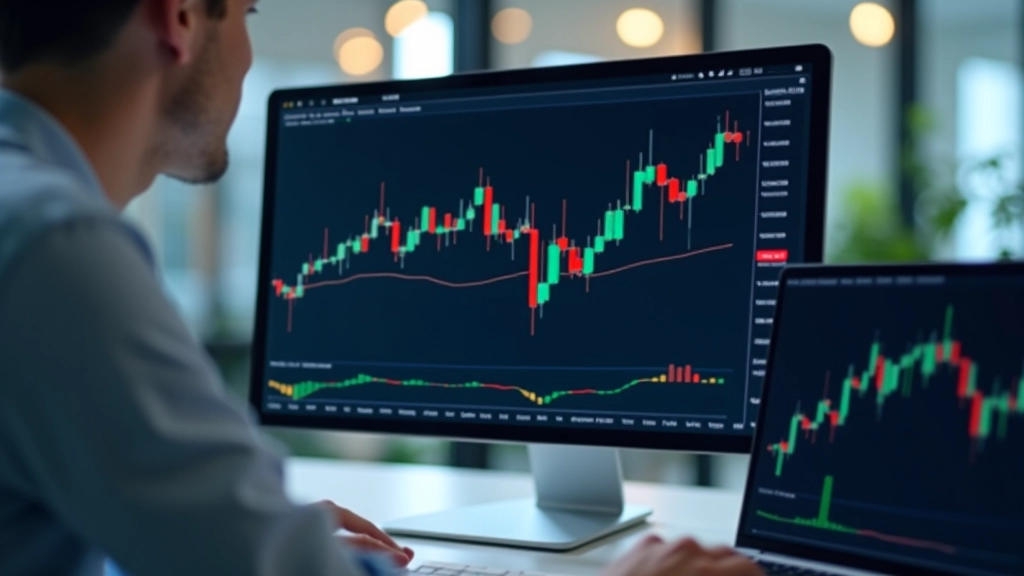
Trading charts displayed on computer monitor with candlestick patterns and analysis tools visible
12 min read Beginner May 2026

Reading Price Patterns — What Candlesticks Actually Tell You

Understand the basic candlestick patterns that traders use every day. We'll walk through real examples from actual market movements.

What Are Candlesticks?

When you look at a price chart, those little rectangles with wicks sticking up and down — those are candlesticks. Each one shows you what happened to the price during a specific time period. Could be one minute, one hour, one day. Whatever timeframe you're looking at.

The body of the candlestick (the thick part) tells you where the price opened and closed. The wicks above and below show you how high and how low the price went during that period. It's like a snapshot of a battle between buyers and sellers.

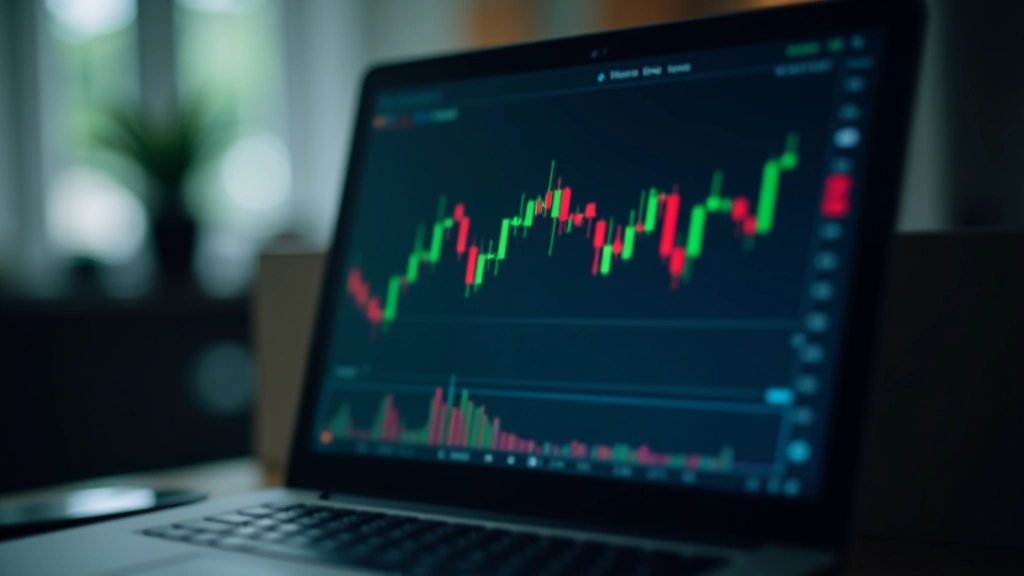
Candlestick chart showing green and red candles with wicks indicating price movements

The Most Common Patterns

Here's the thing — you don't need to memorize 50 different patterns. Most traders focus on just a handful that show up again and again. We're talking about the ones that actually happen in real markets.

Doji

A candle where open and close are basically the same price. The wicks stick out equally above and below. It shows indecision — buyers and sellers fighting it out with neither side winning.

Hammer

Small body at the top, long wick down below. Looks like a hammer. It usually shows up after a drop and suggests the price might bounce back up.

Engulfing

One candle completely covers the previous candle. A bigger body eating up a smaller one. Shows momentum — something's changed in the market.

Illustration showing different candlestick pattern types with labels and examples
Marcus Tan

Marcus Tan

Senior Market Education Specialist

Senior Market Education Specialist at Trade Hub Limited with 12 years of technical analysis and trader education experience across Singapore's fintech sector.

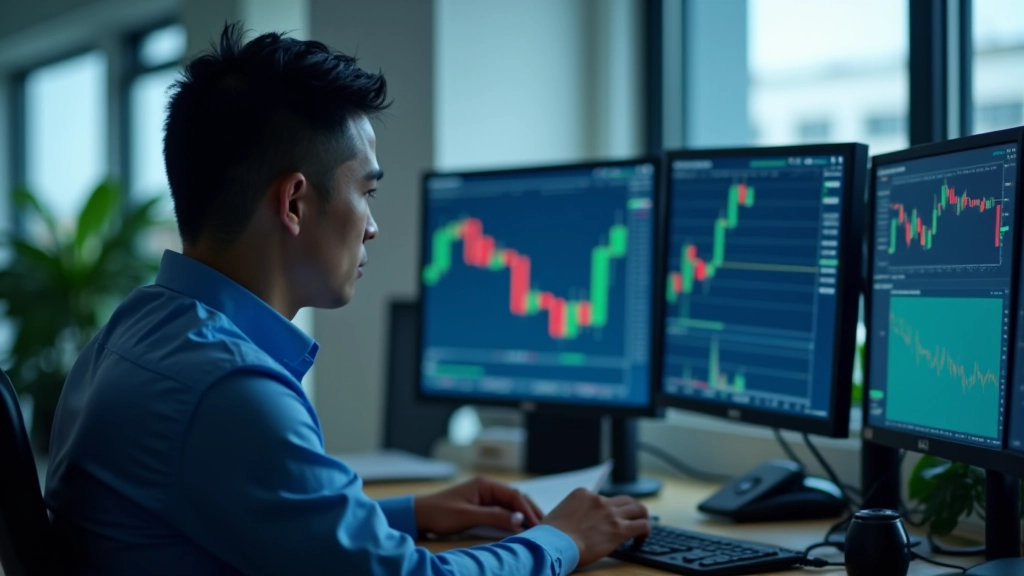
Trader reviewing candlestick patterns on a laptop screen in a modern workspace

How to Read Them in Real Trading

Reading candlesticks isn't about memorizing patterns like they're flashcards. You've got to actually watch them form on a live chart. See how price bounces off certain levels. Notice when the same pattern shows up three times in a week but only two of those times the price does what you'd expect.

Most traders spend weeks just staring at charts. They're not waiting for something magical to happen. They're training their eye to spot when things feel different. When momentum's shifting. When buyers are getting tired and sellers are stepping in.

The pattern itself isn't the signal — the pattern is just a hint. It's the context around it that matters. A hammer at the bottom of a big drop means something different than a hammer in the middle of a calm sideways market.

Context Is Everything

You'll see traders talk about "support levels" and "resistance levels." These are just price areas where the market has bounced before. When a candlestick pattern forms at one of these levels, it matters more. A doji right at resistance means something. A doji in the middle of nowhere? Not as interesting.

The timeframe you're using changes everything too. A pattern that's meaningful on a daily chart might be noise on a 5-minute chart. And vice versa. Most beginning traders look at 1-hour or 4-hour charts. That's a sweet spot for actually seeing meaningful patterns without getting distracted by tiny movements.

Real talk: Candlestick patterns alone won't make you money. They're tools for understanding what's happening. You need to combine them with volume (how much trading is happening), support and resistance levels, and honestly — a plan for what you'll do if you're wrong.

Market analysis dashboard showing multiple timeframes and support resistance levels
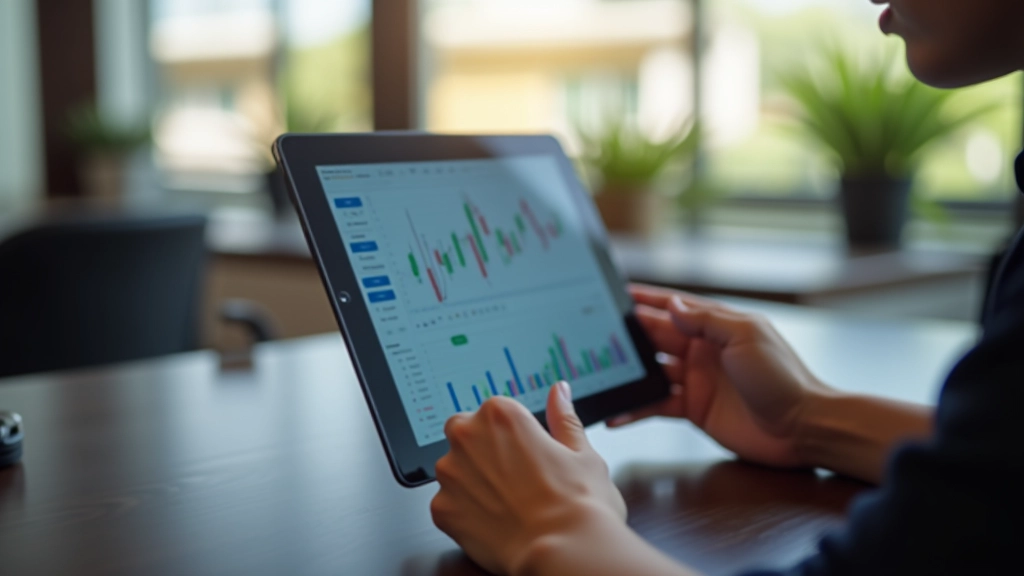
Person practicing chart analysis on a tablet with candlestick patterns visible

Actually Learning This Stuff

If you're serious about understanding candlesticks, here's what works: pull up a chart of something you're interested in — a stock, a currency pair, whatever. Go back to a date 6 months ago. Now watch the price move forward day by day, week by week. See what patterns showed up. Did the price do what the pattern suggested? Or did it do something else?

You'll start noticing that some patterns are way more reliable than others. Some work great when there's big news, but fail when the market's sleepy. Your job is figuring out which patterns matter in which situations. That's not something you can learn from a video. You've got to actually look at charts.

Most traders spend 3-6 months just studying before they even think about real money. They're building pattern recognition. Training their eye. Getting to know the rhythm of how price moves. It's boring work, but it's the actual foundation.

Important Disclaimer

This article is educational material designed to help you understand how candlestick patterns work. It's not financial advice, investment recommendations, or trading signals. Candlestick patterns are one tool among many, and they don't guarantee any particular outcome in the markets.

Trading and investing involve real risk of loss. Past performance doesn't predict future results. Before you trade with real money, you should understand the risks involved and consider consulting with a qualified financial advisor. Different market conditions, different timeframes, and different securities all behave differently. What worked yesterday might not work tomorrow.

This content is provided for educational purposes only. We're not licensed financial advisors, and nothing here should be treated as personalized financial advice for your specific situation.

The Bottom Line

Candlestick patterns are a legitimate part of technical analysis. They show you what's happening between buyers and sellers. But they're not magic. They're not signals. They're just patterns — clues you can use to understand the market better.

If you want to get good at reading them, you've got to put in the time looking at real charts. Thousands of candles. You'll start seeing the same patterns show up over and over. You'll develop an intuition for when they matter and when they don't. That's how traders actually learn.

Want to dive deeper into technical analysis? Join us for our live webinar on market analysis where we'll show you real examples from Singapore markets, walk through live chart analysis, and answer your questions directly.